Great recurring volume clients.
# PART 3: COMPANY STRATIFICATION # Tier 1 – Super Majors ### Examples: - Martin Marietta - Heidelberg Materials - CRH - Rogers Group - AMI ### Characteristics: - Hundreds of locations - Regional divisions - Area managers - Structured corporate hierarchy ### Approach: - Start local - Expand regionally - Learn division structure - Sell upward after entry # Tier 2 – Regionals ### Examples: - Burnco - TexMix - Arcosa - Knife River ### Characteristics: - Multi-state - 5–40 locations - Strong regional identity - Decision-making semi-centralizedIdeal targets.
# Tier 3 – Local Multi-Yard Operators ### Examples: - Titan ReadyMix - Reynolds Asphalt - 3–6 site operators ### Sweet spot: - Enough scale to care - Not too bureaucratic - Recurring opportunity - Accessible leadership # Tier 4 – One-Off Operators ### Examples: - Single yard sand pit - Small ready mix startup ### Generally: - Budget sensitive - Low complexity - Limited growth potential ### Low priority unless: - Strategic geography - Clusters nearby # Part 4: Prospecting System We structure it into 4 channels. # 4.1 Visual Map Prospecting (Old School) Method: - Open Google Maps (Satellite) - Look for: - Scars on earth - Silos - Bins - Rail spurs - Conveyors - RAP piles - Label locations - Build custom My Maps layers Purpose: - Identify clusters - Build pilot-efficient routes - Evaluate density before sellingThis is strategic, not random.
# 4.2 Permit-Based Prospecting (Underrated Weapon) ### Key idea: > Go where they are required to register. ### Examples: - TCEQ wastewater permits (Ready Mix) - Air quality permits - Mining permits (ODNR) - Surface mining databases - EPA regulated entities ### These lists: - Already verified - Already filtered - Often public - Often exportable ### From there: - Import into spreadsheet - Import into Google My Maps - Visualize density - Build route strategyThis is scalable prospecting.
# 4.3 Trade Organization Prospecting ### Levels: #### National: - NSSGA - NAPA - NRMCA - American Cement Association #### State: - TEXAPA - Oklahoma Aggregates - Ohio Concrete Association ### Tactics: - Member directories - Board of directors lists - Event attendance - Buyer guides - Sponsorships - Podcast appearancesThese are curated lists of ideal clients.
# 4.4 GIS & Industry Databases ### Examples: - Mineralocity - State GIS Mine Locators - Aggregates Atlas ### These allow: - Geographic density analysis - Multi-site targeting - Competitive mapping - Territory optimization # PART 5: IDEAL CUSTOMER PROFILE (ICP) # PART 5: IDEAL CUSTOMER PROFILE (ICP) ### Ideal Customer: - 3+ locations - Outdoor stockpiles - Recurring throughput - Controller or CFO involved - Regional decision maker - Audit sensitivity - Volume discrepancies possible ### Avoid: - One-off yards - Hyper-budget sensitive - No accounting oversight - No recurring need # PART 6: INTERNAL REQUIREMENTS To serve this industry well, we must: - Maintain strong RTK alignment month-over-month - Prevent vertical shift errors - Use ground control properly - Deliver consistent file naming - Maintain repeatable workflows - Train pilots on plant layout recognition - Understand material flow to interpret data This is how we differentiate. # Key Sales Concepts ## 1. Volume vs. Mass (The Core Education Piece) Customers measure: - Truck scales (in/out weights) - Belt scales (production output) - Loader bucket scales - Sometimes multiple checkpoints per load These all measure **mass**. We measure: - **Volume** To convert volume to mass, they must apply a **density factor**, which is: - Material-specific - Moisture-dependent - Compaction-dependent - Variable throughout the pile Example principle: - 1 cubic yard = 27 cubic feet - If material is 95 lbs/cu ft → 2,565 lbs per cubic yard - ÷ 2,000 = 1.2825 tons per cubic yard (density factor) Density is never constant: - Wet sand ≠ dry sand - Top of pile ≠ bottom of pile - Bottom-feed conveyors change density continuously This is why discrepancies occur. --- ## 2. The Moisture Problem (Hidden Differentiator) At sand plants: - Belt scales measure wet material - Water drains after stacking - Drone measures post-drainage volume So when customers say: > "Your numbers don’t match ours." The real issue is often: - They measured water. - We measured material. **Sales Angle:** Volume rarely changes month-to-month. Moisture constantly changes. We can show consistent ±1% volumetric tracking over time. That’s reliability. # Strategic Sales Themes ### Educate without attacking. ### Emphasize consistency over time. ### Frame internal programs as hidden cost centers. ### Reinforce that we are specialists — not generalists. # Competitor Breakdown ## 1️⃣ Internal Drone Programs (Biggest Competitor) Most common threat: - “We do this ourselves.” Typical setup: - Propeller - DroneDeploy - Dedicated employee - Software subscriptions ($10k–$50k+) - Vehicles, labor burden, equipment Sales Positioning: - They’re not drone experts. - Inconsistency is common. - Total labor + software + overhead is significant. - We deliver consistent, repeatable results. Simple framing: > If you don’t want to change the toner in your copier, you probably don’t want to manage your own drone program. --- ## 2️⃣ Firmatek - Long-standing industry player - Historically truck-mounted LiDAR - Now using drones - Heavy in utilities now - Strong presence with Vulcan, Martin Marietta, etc. They: - Offer stockpile volumes, cut/fill, ortho, methane, etc. - Are experienced but not dominant everywhere - Still hiring frequently (possible churn or growth) Sales angle: - We offer the same services. - We can be more responsive and consistent. --- ## 3️⃣ Wingfield (Scale Companies) Primary business: - Truck scales - Belt scale calibration Secondary: - Truck-mounted LiDAR - Volumetric scanning Often regional. Sales angle: - They are scale experts, not drone experts. - Their volumetric methods rely on assumptions. --- ## 4️⃣ StockpileReports.com Approach: - Contract pilots (FlyGuys, etc.) - App-based phone scanning - Fixed camera systems - DOT contracts Issues: - Phone scanning incomplete (can’t see backs of piles) - Fixed infrastructure expensive and unreliable - Reports may look polished but have blind spots Customer feedback: - Systems unreliable - Trust issues Sales angle: - We capture full geometry. - No infrastructure required. - Higher data integrity. # 🔽Sample Stockpile Reports # Stockpile Inventory – Sample Reports ## Purpose of This Page This page provides downloadable sample reports for use in the sales process. These reports are: - Real examples of deliverables (with sensitive data removed) - Representative of what clients receive - Approved for external sharing **Use these samples to:** - Demonstrate professionalism - Set expectations - Build trust - Shorten the sales cycle --- ## 🎯 When to Send a Sample Report Send a sample report when: - A prospect asks, “What does your report look like?” - An executive wants to see format before committing - A new contact is comparing vendors - You need to reinforce credibility after a discovery call - You are positioning us as the “easy button” Do **not** send samples too early in cold outreach. Send them once there is established interest. --- ## 📊 What Our Reports Communicate When sharing a sample, you are not just sending a PDF. You are communicating: - Third-party measurement integrity - Repeatable methodology - Executive-ready formatting - Audit-ready documentation - Professional data processing standards Remember: We are not selling drone flights. We are selling **inventory confidence**. --- ## Available Sample Reports ### Standard Monthly Inventory Report **Best For:** Aggregates, sand & gravel, crushed stone operations Includes: - Site overview map - Stockpile labeling - Volume table (by pile & total) - Month-over-month comparison (if applicable) - Executive summary page| [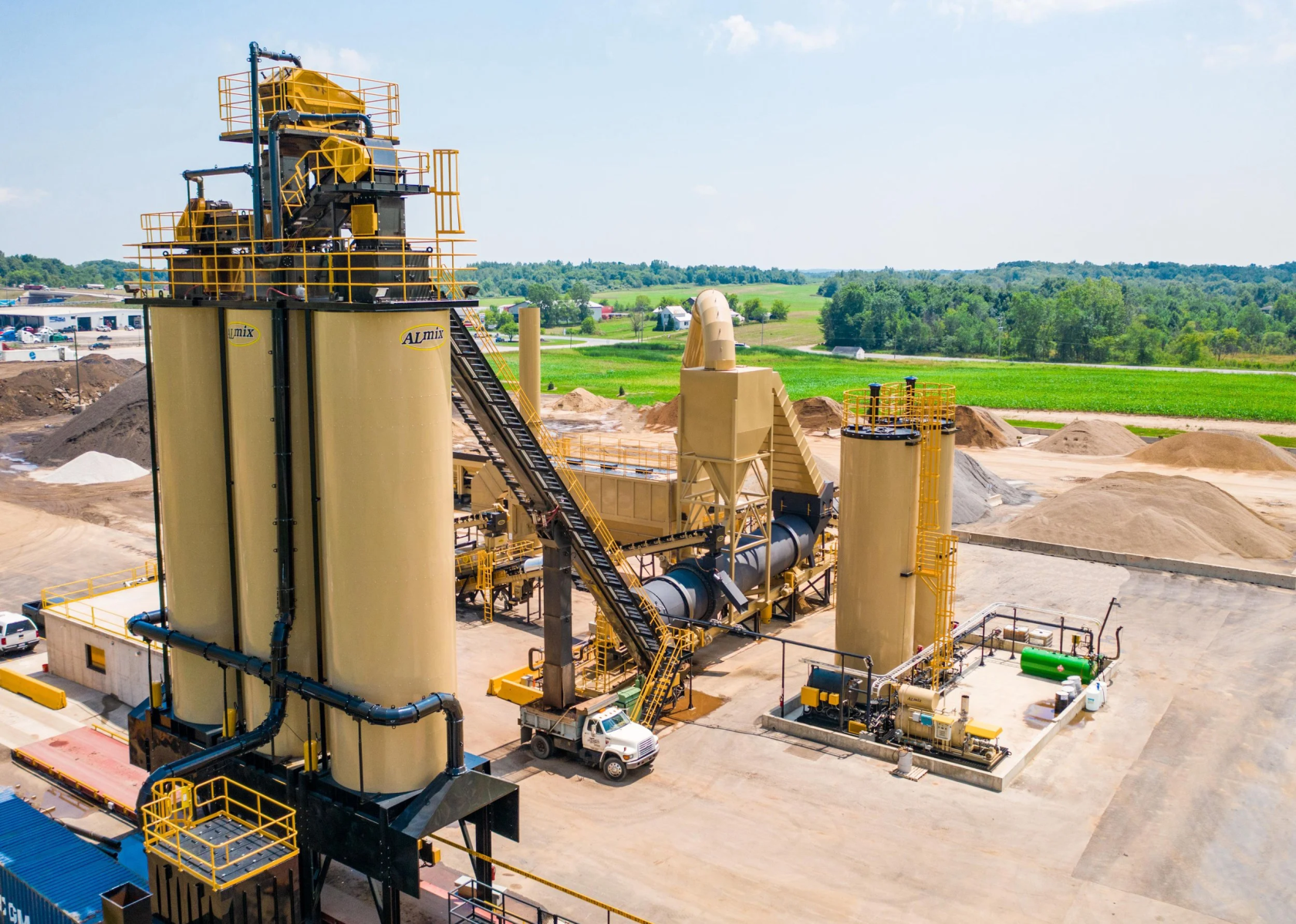](https://drive.google.com/file/d/1iXAGzmru4PPDD_8QOKIga-yG7fOrsPie/view?usp=drive_link "Asphalt Plant Demo Report") | [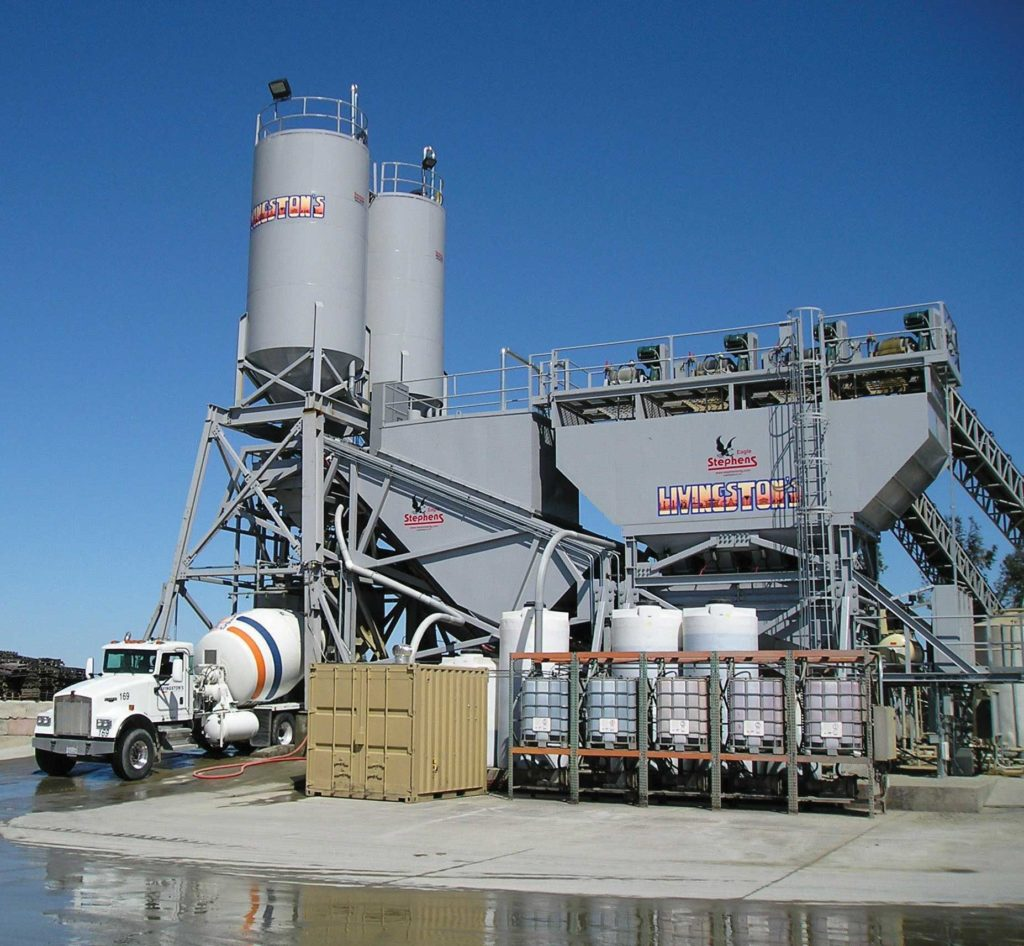](https://drive.google.com/file/d/1lpS2hp-LgwdJajFSMW-GRMYCmrecEk35/view?usp=drive_link "Ready-Mix Plant Demo Report ") |
| ##### [**🔗 Asphalt Plant Demo Report**](https://drive.google.com/file/d/1iXAGzmru4PPDD_8QOKIga-yG7fOrsPie/view?usp=drive_link "Asphalt Plant Demo Report") | ##### [**🔗 Ready-Mix Plant Demo Report** ](https://drive.google.com/file/d/1lpS2hp-LgwdJajFSMW-GRMYCmrecEk35/view?usp=drive_link "Ready-Mix Plant Demo Report ") |
| [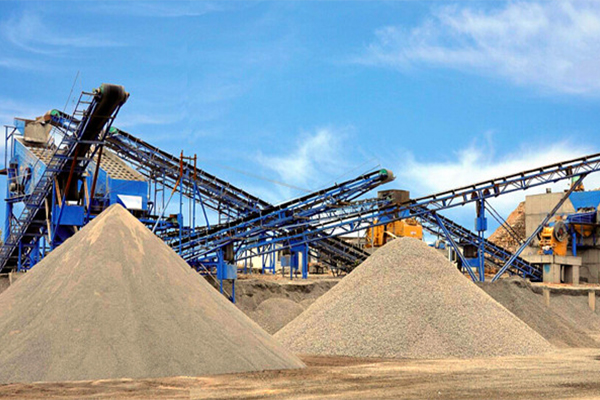](https://drive.google.com/file/d/1wezc38cXB9FT36ryqmo2RSuFCnw6EuYs/view?usp=drive_link "Sand & Gravel Plant Demo Report") | [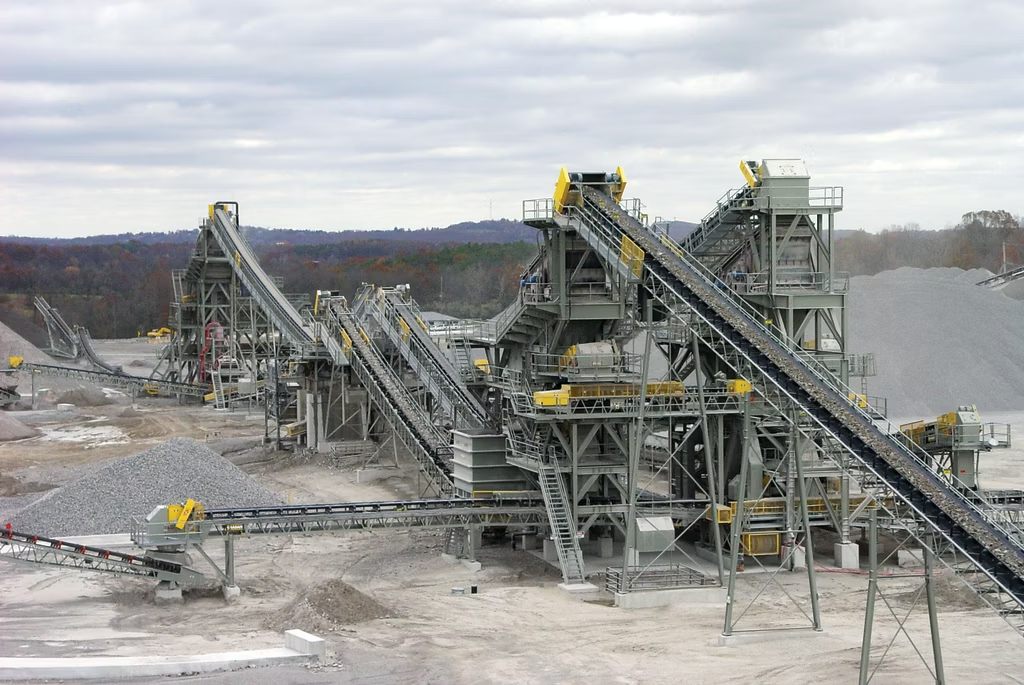](https://drive.google.com/file/d/1LsdJjbggszNRL2Slros0m4MWGOnlMkQS/view?usp=drive_link "Quarry Plant Demo Report") |
| ##### [**🔗 Sand & Gravel Plant Demo Report**](https://drive.google.com/file/d/1wezc38cXB9FT36ryqmo2RSuFCnw6EuYs/view?usp=drive_link "Sand & Gravel Plant Demo Report") | ##### [**🔗 Quarry Plant Demo Report**](https://drive.google.com/file/d/1LsdJjbggszNRL2Slros0m4MWGOnlMkQS/view?usp=drive_link "Quarry Plant Demo Report") |